Vitamin D Deficiency in India: Causes, Signs & Treatment
In this article
Quick Answer
Vitamin D deficiency means a blood level below 20 ng/mL. It is common in India despite the sunshine because of indoor lifestyles, skin pigmentation, pollution and a diet low in vitamin D. Typical signs are fatigue, bone and back pain, muscle weakness, frequent infections and low mood. It is corrected with a 6-8 week loading dose of vitamin D3, then a daily maintenance dose.
Key Takeaways
- 70-90% of Indians have insufficient vitamin D despite abundant sunlight.
- Main causes: indoor lifestyle, darker skin, pollution, and a low-vitamin-D diet.
- Red flags: tiredness, bone or back pain, muscle weakness, frequent infections, low mood.
- Diagnosis is a simple serum 25-hydroxy vitamin D test; aim for above 30 ng/mL.
- Treatment is a weekly loading dose then daily maintenance — never self-dose high amounts long-term.
As an Internal Medicine specialist in Navi Mumbai, I see at least five new patients every week with fatigue, vague body aches or recurrent infections — and the culprit is often vitamin D deficiency. Despite our year-round sunshine, India faces a silent epidemic of low vitamin D. Here is why it happens, how to spot it, and exactly how I treat it.
Why Is Vitamin D Deficiency So Common in India?
It feels ironic — India receives abundant sunlight, yet studies suggest that 70-90% of the Indian population has insufficient vitamin D levels. Here is why:
Urbanisation and Indoor Lifestyles
Mumbai, Thane, and Navi Mumbai are fast-paced cities. Many of us spend 10-12 hours inside office buildings, commuting in air-conditioned cars, and rarely stepping out between 11 AM and 3 PM — the peak window for vitamin D synthesis. Your skin needs direct sunlight to make vitamin D, and sitting by a window or balcony will not help because UVB rays do not pass through glass.
Skin Pigmentation
Melanin reduces the skin's ability to produce vitamin D. Indians have moderate to high melanin levels, meaning we require 3-5 times longer sun exposure than someone with fair skin to produce the same amount of vitamin D.
Dietary Habits
Unlike Western countries that fortify milk and cereals with vitamin D, Indian food rarely provides significant amounts. Our staple diet of roti, rice, dal, and sabzi contains negligible vitamin D. Some natural sources include fatty fish (rawas, bangda, surmai), egg yolks, and sun-dried mushrooms — but these are not consumed daily by most families.
Pollution and Clothing
Air pollution blocks UVB radiation. In cities like Delhi, Mumbai, and Pune, particulate matter in the air reduces cutaneous vitamin D production. Additionally, many Indians cover their skin for cultural or occupational reasons, further limiting exposure.
Common Signs and Symptoms You Should Not Ignore
Vitamin D deficiency can be subtle and gradual. I often hear patients say, "I just feel tired all the time, doctor" or "My bones ache for no reason." Here are the key red flags:
- Persistent fatigue, low energy — Even after 8 hours of sleep, you feel drained.
- Bone pain and lower back ache — A deep, nagging pain in the hips, thighs, or lower back, worsened by walking or standing.
- Muscle weakness, frequent falls — Difficulty climbing stairs or standing up from a squatting position.
- Frequent infections — Vitamin D modulates the immune system; low levels are linked to recurrent respiratory tract infections, colds, and flu.
- Depression or low mood — Vitamin D receptors exist in brain areas related to mood regulation. Several studies show a correlation between low vitamin D and depression.
- Slow wound healing — Cuts or surgical wounds take longer to close.
- Hair thinning — Especially diffuse hair loss in women.
If you have any of these symptoms — particularly tiredness with bone pain — I strongly advise getting your serum 25-hydroxy vitamin D levels checked. It is a simple blood test available at almost every lab in Navi Mumbai.
Diagnosis: What Numbers Matter?
The normal reference range varies slightly between labs, but I use the following guidelines:
- Deficiency: < 20 ng/mL (50 nmol/L)
- Insufficiency: 20-29.9 ng/mL
- Sufficiency: 30-100 ng/mL
- Toxicity: > 100 ng/mL (rare, usually from over-supplementation)
I recommend testing at least once a year for adults, especially if you have any of the risk factors we discussed. For patients with osteoporosis, autoimmune diseases, or malabsorption (e.g., gastric bypass, Crohn's), I check levels every 6 months.
Vitamin D Treatment: A Step-by-Step Approach for Indian Patients
Treatment depends on the severity of deficiency and your underlying health. I never recommend starting high-dose supplements without a blood test — more is not always better.
Step 1: Address the Deficiency (Loading Phase)
For patients with low levels, I prescribe a weekly dose of 60,000 IU of vitamin D3 (cholecalciferol) for 6-8 weeks. This is the most common regimen used in Indian medical practice and is safe. Some doctors use daily doses of 2,000-4,000 IU — both work. The goal is to bring your level above 30 ng/mL.
Step 2: Maintenance Therapy
Once corrected, you need a daily maintenance dose of 1,000-2,000 IU of vitamin D3. This is available over the counter at any pharmacy in India. I advise my patients to take it with the largest meal of the day — ideally lunch or dinner — because vitamin D is fat-soluble and absorption improves when taken with dietary fat (like ghee, oil, or butter in your food).
Step 3: Sunlight — For How Long?
I do not tell my patients to rely entirely on sun, but it helps. Try 15-20 minutes of midday sun exposure (11 AM to 2 PM) on your arms and face without sunscreen. If you have darker skin, aim for 20-30 minutes. After this, you can apply sunscreen and step indoors. This is safe for most people, but avoid prolonged exposure due to skin cancer risk.
Step 4: Include Vitamin D in Your Diet
While food alone cannot correct significant deficiency, it supports maintenance. Add these to your weekly meal plan:
- Fatty fish — Bangda (mackerel), rawas (Indian salmon), surmai (kingfish) — 2-3 times a week.
- Egg yolks — Whole eggs, not just whites.
- Fortified milk — Some brands in India (like Amul and Aavin) now sell vitamin D-fortified milk. Check the label.
- Mushrooms — Sun-dried shiitake or button mushrooms exposed to sunlight before cooking.
- Cod liver oil — A teaspoon per day (especially useful if you do not eat fish).
Step 5: Check Your Calcium and Magnesium
Vitamin D works with calcium for bone health and magnesium for activation of the vitamin. Many Indians have borderline low calcium intake (our diet is rich in chapati and rice but not dairy for many). I often advise:
- 1-2 servings of dairy daily (milk, curd, paneer)
- Green leafy vegetables (palak, methi, amaranth)
- Nuts like almonds and walnuts
If you are on vitamin D supplements for more than 3 months, I will check your serum calcium to ensure it is not too high or low.
Long-Term Monitoring
After completing the loading phase, I re-check blood levels after 3 months. If your level is above 30 ng/mL, we continue maintenance. If still low, we investigate other causes like malabsorption, kidney disease, or medications (antacids, steroids, anti-epileptics) that interfere with vitamin D metabolism.
When to See a Doctor
You should not self-treat with high-dose vitamin D for extended periods without medical supervision. Overdose (hypervitaminosis D) can cause dangerously high calcium levels, leading to kidney stones, vomiting, and confusion.
See me or your general physician if:
- You have symptoms that are bothering you.
- You have a chronic condition (kidney disease, liver disease, hyperparathyroidism, sarcoidosis).
- You are on long-term steroids or antacids.
- You have had gastric bypass surgery.
- Your child has bone pain or bowing of legs (rickets).
Final Words
Vitamin D deficiency is very treatable, and the outcomes are excellent. Most of my patients feel significantly better — more energetic, fewer aches, better immunity — within 2-3 months of starting treatment. The key is to get tested, correct the deficiency properly, and then maintain it with sensible sun exposure, diet, and low-dose supplements.
Do not ignore persistent fatigue or bone pain — it could be as simple as a lack of sunshine in your life.
Book an Appointment
If you are in Navi Mumbai, Vashi, or the surrounding areas, and you suspect you have vitamin D deficiency or want a routine health check-up, I would be happy to help.
👉 Book an appointment or call/WhatsApp +91 99606 28111 to reserve your slot. You can also explore my internal medicine services. Let us get your levels right so you can feel your best.
Medical Disclaimer
This article is for informational purposes only and does not constitute medical advice. Always consult a qualified healthcare professional for personalized medical guidance. If you have a medical emergency, please call emergency services immediately.
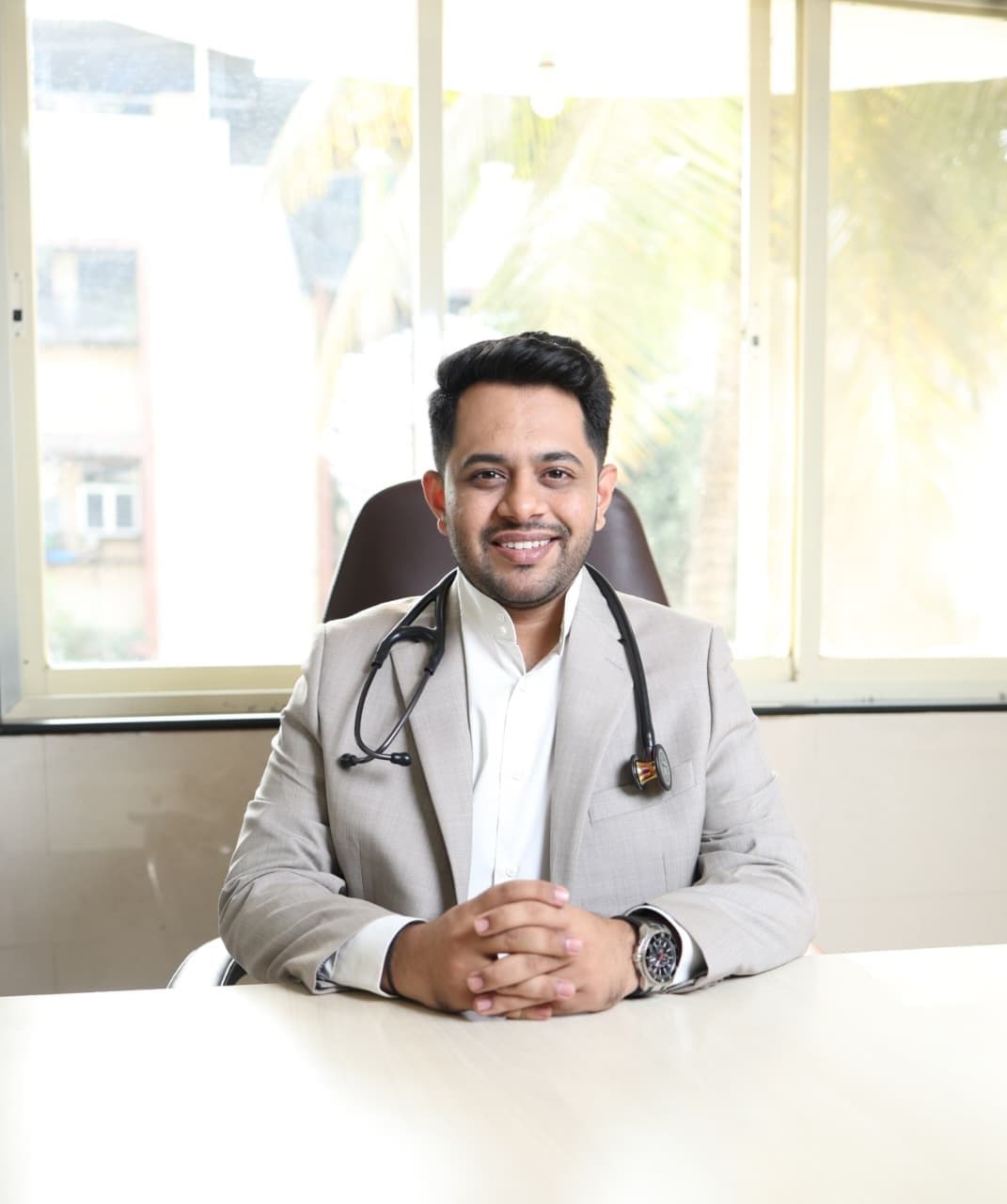
Dr. Aditya Davhale
MBBS, MD, DNB (Internal Medicine)
Assistant Professor & Consultant Physician — Internal Medicine
Dr. Aditya Davhale is an Assistant Professor and Consultant Physician (Internal Medicine) based in Navi Mumbai, with expertise in diabetes, hypertension, fever, infectious diseases, ICU & critical care, and chronic lifestyle conditions.
View Full Profile →Related Articles
UTI Symptoms and Treatment: A Practical Adult Guide
UTI Symptoms and Treatment: A Practical Adult Guide. Understand symptoms, tests, safe care and warning signs with Dr. Aditya Davhale in Navi Mumbai.
Malaria Symptoms and Prevention: When to Get Tested
Malaria Symptoms and Prevention: When to Get Tested. Understand symptoms, tests, safe care and warning signs with Dr. Aditya Davhale in Navi Mumbai.
Typhoid Fever Treatment: Symptoms, Tests and Recovery
Typhoid Fever Treatment: Symptoms, Tests and Recovery. Understand symptoms, tests, safe care and warning signs with Dr. Aditya Davhale in Navi Mumbai.