PCOD vs PCOS: Key Differences Explained Simply
In this article
Quick Answer
PCOD and PCOS are not the same. PCOD (Polycystic Ovary Disease) is a common, milder ovarian condition where the ovaries release immature eggs that form cysts; ovulation and fertility are usually normal. PCOS (Polycystic Ovary Syndrome) is a whole-body metabolic and hormonal disorder with high male hormones and insulin resistance, affecting periods, fertility, and long-term diabetes and heart risk.
Key Takeaways
- PCOD is mainly an ovarian issue; PCOS is a metabolic and hormonal disorder.
- PCOS involves high androgens and insulin resistance; PCOD usually does not.
- PCOD rarely affects fertility; PCOS often does, but it is very manageable.
- Diagnosis needs blood tests plus ultrasound (Rotterdam criteria) — don't self-diagnose.
- A low-GI Indian diet, exercise, and (for PCOS) medication like metformin are the core of treatment.
As a consultant physician in Navi Mumbai, I meet countless women confused between these two similar-sounding terms. Let me break down the real differences in simple language, with practical advice tailored for Indian women.
What is PCOD? (Polycystic Ovary Disease)
PCOD, or Polycystic Ovary Disease, is a condition where the ovaries produce immature or partially mature eggs. Over time, these eggs accumulate and turn into cysts. This is a very common condition — roughly 1 in 5 women in India has PCOD.
The key point is that PCOD is usually not a serious metabolic disorder. Women with PCOD generally have normal ovulation most of the time. They may experience irregular periods occasionally, but they can still conceive naturally and lead a healthy life without major complications.
Common symptoms of PCOD:
- Irregular periods, but often not severe
- Mild acne or oily skin
- Slight weight gain
- Occasional hair thinning
- Usually no major insulin resistance
What is PCOS? (Polycystic Ovary Syndrome)
PCOS, or Polycystic Ovary Syndrome, is a more complex and serious condition. It is a metabolic and hormonal disorder that affects the entire body, not just the ovaries. In PCOS, the body produces higher levels of male hormones (androgens) and is often resistant to insulin.
About 1 in 10 women in India has PCOS. It is not just a "gynecological problem" — it is a lifelong health condition that requires active management.
Common symptoms of PCOS:
- Irregular or absent periods (sometimes only 2-3 periods a year)
- Severe acne, especially on the jawline and back
- Excessive facial and body hair (hirsutism)
- Male-pattern baldness or thinning hair on the scalp
- Weight gain, especially around the abdomen (apple-shaped body)
- Dark, velvety patches on the neck, armpits, or inner thighs (acanthosis nigricans)
- Difficulty getting pregnant (anovulation)
- Insulin resistance and high blood sugar
The Main Differences at a Glance
| Feature | PCOD | PCOS |
|---|---|---|
| What is it? | Ovarian condition with immature eggs turning into cysts | Metabolic and hormonal disorder affecting the whole body |
| Hormone levels | Usually normal or mildly elevated | High androgens (testosterone), high LH, low FSH |
| Ovulation | Usually occurs, sometimes delayed | Often absent or very irregular |
| Insulin resistance | Rare | Very common |
| Long-term risks | Low | High (diabetes, heart disease, endometrial cancer) |
| Fertility | Usually normal | Often affected |
| Management | Lifestyle changes often enough | Needs comprehensive medical approach |
Why Does This Matter for Indian Women?
In India, we have unique challenges. Our diets are often rich in refined carbohydrates like white rice, maida (refined flour), and sugar. We also have a genetic predisposition to insulin resistance and type 2 diabetes.
For women with PCOS, this is a dangerous combination. Insulin resistance makes the body produce more insulin, which in turn triggers the ovaries to produce more male hormones. This worsens all PCOS symptoms.
Real patient example
I had a 24-year-old patient from Vashi who came to me with severe acne, irregular periods, and weight gain. She had been told she had "PCOD" by a local doctor and was only given birth control pills. When I investigated further, her blood tests showed high testosterone, high fasting insulin, and a low SHBG level — classic PCOS. Her HbA1c was already in the pre-diabetic range.
We changed her diet to a low glycemic index (GI) Indian diet — swapping white rice for brown rice and millets (jowar, ragi, bajra), reducing sugar and sweets, and adding more protein like sprouts, paneer, and dal. We also started metformin. In 6 months, her periods became regular, her acne cleared, and her HbA1c normalized. She is now a healthy weight and planning a family.
How to Know If You Have PCOD or PCOS?
You cannot self-diagnose this. You need to see a physician or a gynecologist. Here’s what we do:
- Blood tests: Check hormone levels (LH, FSH, testosterone, SHBG), fasting insulin, blood sugar, and lipid profile.
- Ultrasound: To see if the ovaries have multiple cysts (polycystic appearance).
- Assessment of symptoms: Using the Rotterdam criteria, which includes irregular ovulation, high androgen levels, and polycystic ovaries on ultrasound. PCOS is diagnosed if at least 2 of these 3 are present.
Treatment: A Practical Indian Approach
For PCOD:
- Diet: Focus on a balanced Indian diet. Include whole grains, plenty of vegetables, and moderate dairy.
- Exercise: 30 minutes of brisk walking, yoga, or dancing 5 days a week.
- Stress management: High stress worsens hormonal imbalance. Try pranayama or meditation.
- Medical help: Usually not needed unless symptoms bother you. Birth control pills can regulate periods.
For PCOS:
This needs a comprehensive, lifelong approach.
1. Diet (The most important step)
- Low glycemic index (GI) foods: Replace white rice with brown rice, quinoa, or millets. Use whole wheat or multigrain rotis instead of maida-based bread.
- Reduce sugar: Cut down on sweets (mithai), sugary drinks, packaged juices, and biscuits.
- Increase protein: Include dal, sprouts, paneer, tofu, eggs, and lean meats.
- Healthy fats: Ghee in moderation, nuts (almonds, walnuts), seeds (flaxseeds, chia seeds), and avocado.
- Anti-inflammatory spices: Turmeric, ginger, cinnamon, and fenugreek (methi) help reduce inflammation.
2. Exercise
- Mix of cardio and strength training: Walking, jogging, swimming plus weight training or bodyweight exercises (squats, push-ups).
- 30-45 minutes, at least 5 days a week.
- Yoga: Specific asanas like Surya Namaskar, Bhujangasana (cobra pose), and Paschimottanasana (seated forward bend) are helpful.
3. Medication
- Metformin: Reduces insulin resistance. Start with 500 mg once daily and increase gradually under medical supervision.
- Birth control pills: Regulate periods and reduce androgen symptoms like acne and hair growth.
- Spironolactone: For excessive hair growth and acne (requires monitoring).
- Inositol supplements: Myo-inositol and D-chiro-inositol (in a 40:1 ratio) are effective and well-tolerated. Available in India as supplements.
- Vitamin D and folic acid: Most Indian women with PCOS are deficient in Vitamin D. Supplementation helps.
4. Long-term monitoring
Women with PCOS need regular check-ups:
- Annual fasting blood sugar and HbA1c to screen for diabetes
- Lipid profile for cholesterol
- Blood pressure monitoring (PCOS increases hypertension risk)
- Endometrial ultrasound if periods are very irregular to rule out endometrial hyperplasia
When to See a Doctor
If you have any of these signs, please consult a physician or gynecologist:
- Irregular periods (less than 8 periods a year)
- Difficulty getting pregnant
- Severe acne that does not respond to skincare
- Excessive facial hair growth
- Unexplained weight gain, especially around the belly
- Dark patches on the neck or skin folds
- A family history of diabetes or PCOS
The Bottom Line
PCOD is manageable and often not serious. PCOS is a lifelong condition that needs active care.
The good news? With the right lifestyle changes, diet, and medication, most women with PCOS can live healthy, normal lives, conceive naturally, and prevent long-term complications like diabetes and heart disease.
As I tell all my patients: You are not alone, and this is not your fault. But you do need to take charge of your health.
Book an Appointment
If you are in Navi Mumbai or nearby and struggling with PCOD or PCOS, I would be happy to help. We can do a complete evaluation, including blood tests and ultrasound, and create a personalized treatment plan tailored to your needs.
Book an appointment or call/WhatsApp +91 99606 28111 to schedule a consultation. You can also explore my internal medicine services. Let's work together to get your health back on track.
Medical Disclaimer
This article is for informational purposes only and does not constitute medical advice. Always consult a qualified healthcare professional for personalized medical guidance. If you have a medical emergency, please call emergency services immediately.
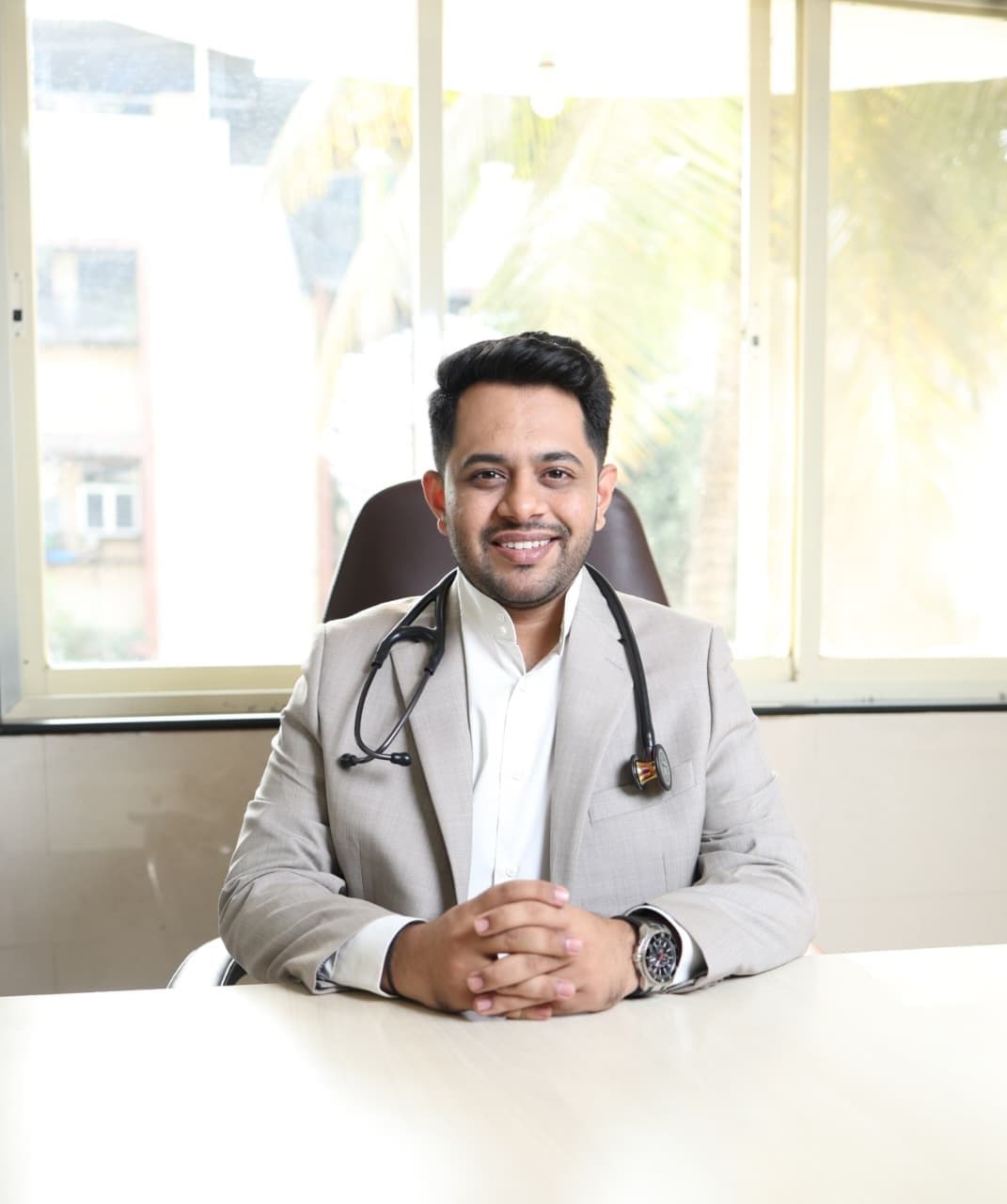
Dr. Aditya Davhale
MBBS, MD, DNB (Internal Medicine)
Assistant Professor & Consultant Physician — Internal Medicine
Dr. Aditya Davhale is an Assistant Professor and Consultant Physician (Internal Medicine) based in Navi Mumbai, with expertise in diabetes, hypertension, fever, infectious diseases, ICU & critical care, and chronic lifestyle conditions.
View Full Profile →Related Articles
UTI Symptoms and Treatment: A Practical Adult Guide
UTI Symptoms and Treatment: A Practical Adult Guide. Understand symptoms, tests, safe care and warning signs with Dr. Aditya Davhale in Navi Mumbai.
Malaria Symptoms and Prevention: When to Get Tested
Malaria Symptoms and Prevention: When to Get Tested. Understand symptoms, tests, safe care and warning signs with Dr. Aditya Davhale in Navi Mumbai.
Typhoid Fever Treatment: Symptoms, Tests and Recovery
Typhoid Fever Treatment: Symptoms, Tests and Recovery. Understand symptoms, tests, safe care and warning signs with Dr. Aditya Davhale in Navi Mumbai.