Fever at Home: Smart Steps & When to See a Doctor
In this article
Quick Answer
Most fevers are viral and settle in 2-3 days with rest, fluids, and paracetamol (500-650 mg every 6 hours for adults). Use lukewarm — never cold — sponging, eat light food, and avoid antibiotics unless a doctor prescribes them. See a doctor if fever lasts beyond 3 days, crosses 103°F and won't come down, or comes with breathlessness, severe headache or neck stiffness, rash, confusion, or persistent vomiting.
Key Takeaways
- Most fevers in India are viral — don't reach for antibiotics "to be safe".
- Paracetamol is first-line; don't combine it with ibuprofen unless told to.
- Stay hydrated (2-3 litres), rest 2-3 days, and eat light food like khichdi.
- Sponge with lukewarm water only — cold water causes shivering and raises temperature.
- Red flags (fever over 3 days, breathing trouble, rash, confusion, infant fever) need a doctor now.
As a consultant internal medicine physician in Navi Mumbai, I see dozens of patients each week with a fever running for two or three days. Most are simple viral fevers — but nearly one in four hide a bacterial infection that needs antibiotics. Here is how to manage fever safely at home, and exactly when to seek help.
Fever is your body’s natural defence mechanism. When a pathogen — virus or bacteria — enters your system, your brain’s hypothalamus raises your core temperature to make the environment hostile for the invader. This is why a mild low-grade fever (up to 100.4°F or 38°C) can actually be beneficial. But when the fever climbs higher, or persists beyond three days, you need to act.
Understanding Fever: What is Normal?
Before we talk about management, let us define what counts as a fever. For adults:
- Normal body temperature: 97°F to 99°F (36.1°C to 37.2°C)
- Low-grade fever: 99.5°F to 100.9°F (37.5°C to 38.3°C)
- Moderate fever: 101°F to 102.9°F (38.3°C to 39.4°C)
- High fever: 103°F (39.4°C) or above
For children (3 months to 12 years), a fever is generally considered 100.4°F (38°C) or higher rectally. In infants under 3 months, any fever above 100.4°F needs immediate medical attention.
Home Management of Fever: What Actually Works
In my practice, I see many patients who rush to the pharmacy for antibiotics at the first sign of fever. Please resist that temptation. Most fevers in India — especially during monsoon and winter — are viral. Antibiotics do not work against viruses, and overusing them contributes to the growing problem of antibiotic resistance.
Step 1: Stay Hydrated
Fever increases your metabolic rate and causes fluid loss through sweating. Dehydration is the most common complication I see in fever patients. Drink at least 2–3 litres of fluid daily. Good options include:
- Warm water with lemon and a pinch of salt (ORSL-style at home)
- Coconut water (nariyal paani) — rich in electrolytes and easily available
- Dal ka paani (thin lentil soup) — light on the stomach but provides potassium and sodium
- Chhach (buttermilk) — if you can tolerate dairy during fever
Avoid: Coffee, strong tea with milk, carbonated drinks, and packaged fruit juices — these can worsen dehydration or cause a sugar spike.
Step 2: Rest and Recovery
Your body needs energy to fight the infection. Do not try to “push through” a fever and go to work or college. Take a minimum of 2–3 days of complete rest. Sleep is when your immune system is most active — studies show that T-cell (immune cell) activity increases significantly during deep sleep.
Step 3: Medication — The Right Way
-
Paracetamol (Crocin, Dolo, Calpol): This is my first-line recommendation for most fevers. The dose is 500 mg to 650 mg every 6 hours for adults (max 4 grams daily). For children, the dose is 15 mg/kg every 6 hours.
-
Ibuprofen (Brufen, Combiflam): I prescribe this when paracetamol is insufficient or when there is significant body ache. Avoid ibuprofen if you have gastritis, kidney disease, asthma, or are dehydrated.
-
Do NOT use: Aspirin (for children — risk of Reye syndrome), nimesulide (Nimulid — liver toxicity risk), or combination painkillers with caffeine (Saridon, Anacin) for fever.
Step 4: Sponging — Only with Lukewarm Water
A common mistake I see is using ice water or alcohol for sponging. This causes shivering, which makes the fever worse. Use lukewarm water (slightly warm to the touch) and sponge the forehead, armpits, groin, and back of the neck for 10–15 minutes. Stop if the patient starts shivering.
Step 5: Light, Easily Digestible Foods
Your body diverts energy toward fighting infection, so digestion takes a backseat. Eat small, frequent meals. Good options include:
- Khichdi (rice and dal cooked together with minimal spices)
- Moong dal soup with turmeric (haldi) — turmeric has anti-inflammatory properties
- Daliya (broken wheat porridge) — easy to digest and provides fibre
- Soft fruits like banana — easy on the stomach and provides potassium
- Steamed vegetables with minimal oil
Avoid: Fried foods (samosas, pakoras), oily curries, heavy non-vegetarian dishes, and cold foods from outside.
When to See a Doctor for Fever — The Warning Signs
This is the most critical section. While most fevers resolve in 2–3 days, certain symptoms require immediate medical evaluation. I tell my patients: If you see any of these signs, do not wait — come to the clinic or go to the nearest hospital.
Red Flags for Adults
-
Fever lasting more than 3 days — Most viral fevers break by day 3. If your fever persists beyond 72 hours, you need evaluation for bacterial infections (typhoid, urinary tract infection, pneumonia) or dengue.
-
High fever (103°F or above) that does not come down with paracetamol — This suggests a more serious infection that may require intravenous fluids or antibiotics.
-
Severe headache with fever — Especially if accompanied by neck stiffness, sensitivity to light, or a rash. This could be meningitis, which is a medical emergency.
-
Difficulty breathing or chest pain — Could indicate pneumonia or heart inflammation (myocarditis).
-
Persistent vomiting or unable to keep liquids down — You risk dehydration, especially in children and elderly.
-
Confusion, drowsiness, or altered behaviour — This suggests the infection may have reached your brain or you have dangerously high fever.
-
Severe body aches with red eyes and rash — Classic dengue symptoms. Dengue can cause a dangerous drop in platelets, requiring hospital monitoring.
Red Flags for Children
- Fever in an infant under 3 months (any fever)
- Child looks very sick, drowsy, or difficult to wake
- Not feeding or drinking for more than 6–8 hours
- Rash that does not blanch (fade) when you press it
- Seizure (febrile convulsion) — while usually harmless, needs medical evaluation to rule out meningitis
- Crying inconsolably or extremely irritable
Red Flags for Elderly (Above 65)
- Fever with confusion or sudden change in behaviour (can be the only sign of a urinary tract infection)
- Weakness or unsteadiness leading to falls
- Reduced urine output
- Fever with underlying chronic illnesses (diabetes, heart disease, kidney disease)
Common Indian Fever Patterns — What to Watch For
Living in Navi Mumbai, I see specific fever patterns seasonally:
- Monsoon fevers (June–September): Dengue, leptospirosis, viral fevers
- Winter fevers (November–February): Influenza (H1N1), viral upper respiratory infections, pneumonia
- Year-round: Typhoid (if poor hygiene or eating outside), urinary tract infections (especially in women), tuberculosis (if fever with night sweats for >2 weeks)
If your fever comes with a prominent headache, joint pain (especially pain behind the eyes), and a rash, think dengue. If your fever comes with a bad cough, cold, and body aches (but no rash), think influenza.
What to Expect When You See Me
When you come to my clinic with fever, I will:
- Take a detailed history: When did fever start? Associated symptoms? Any travel? Any mosquito bites? Any recent food from outside?
- Check your vitals: Temperature, pulse, blood pressure, oxygen saturation
- Depending on the history, I may order:
- Complete blood count (CBC) — to check white cell count, platelets, haemoglobin
- Malaria antigen test
- Dengue NS1 antigen (if within 5 days of fever onset)
- Typhoid serology (Widal test) if fever >7 days
- Urine routine (if UTI is suspected)
- Chest X-ray (if respiratory symptoms present)
Most cases of fever in otherwise healthy adults can be managed with 2–3 days of paracetamol, rest, and hydration. But the ones that do not follow this pattern need timely intervention.
Final Takeaway
Fever is not your enemy — it is a signal. Listen to it. Most fevers will resolve on their own if you give your body rest, fluids, and time. But know the warning signs and do not hesitate to seek medical help when you see them.
As a rule of thumb I share with all my patients: If your fever has not improved in 72 hours, or if you have any of the red flag symptoms I mentioned, see a doctor. Do not self-medicate with antibiotics. They are not “just to be safe” — they come with real risks.
Book an Appointment
If you or a family member has a fever that is not settling, or if you have any of the warning signs mentioned above, do not wait. I am happy to see you at my clinic in Navi Mumbai for a thorough evaluation.
Call or WhatsApp +91 99606 28111, or book an appointment online to schedule a consultation. You can also explore my internal medicine services. Early diagnosis in fever makes all the difference — it can turn a prolonged illness into a quick recovery.
Disclaimer: This blog post is for informational purposes only and does not constitute medical advice. Always consult a qualified doctor for your specific health concerns.
Medical Disclaimer
This article is for informational purposes only and does not constitute medical advice. Always consult a qualified healthcare professional for personalized medical guidance. If you have a medical emergency, please call emergency services immediately.
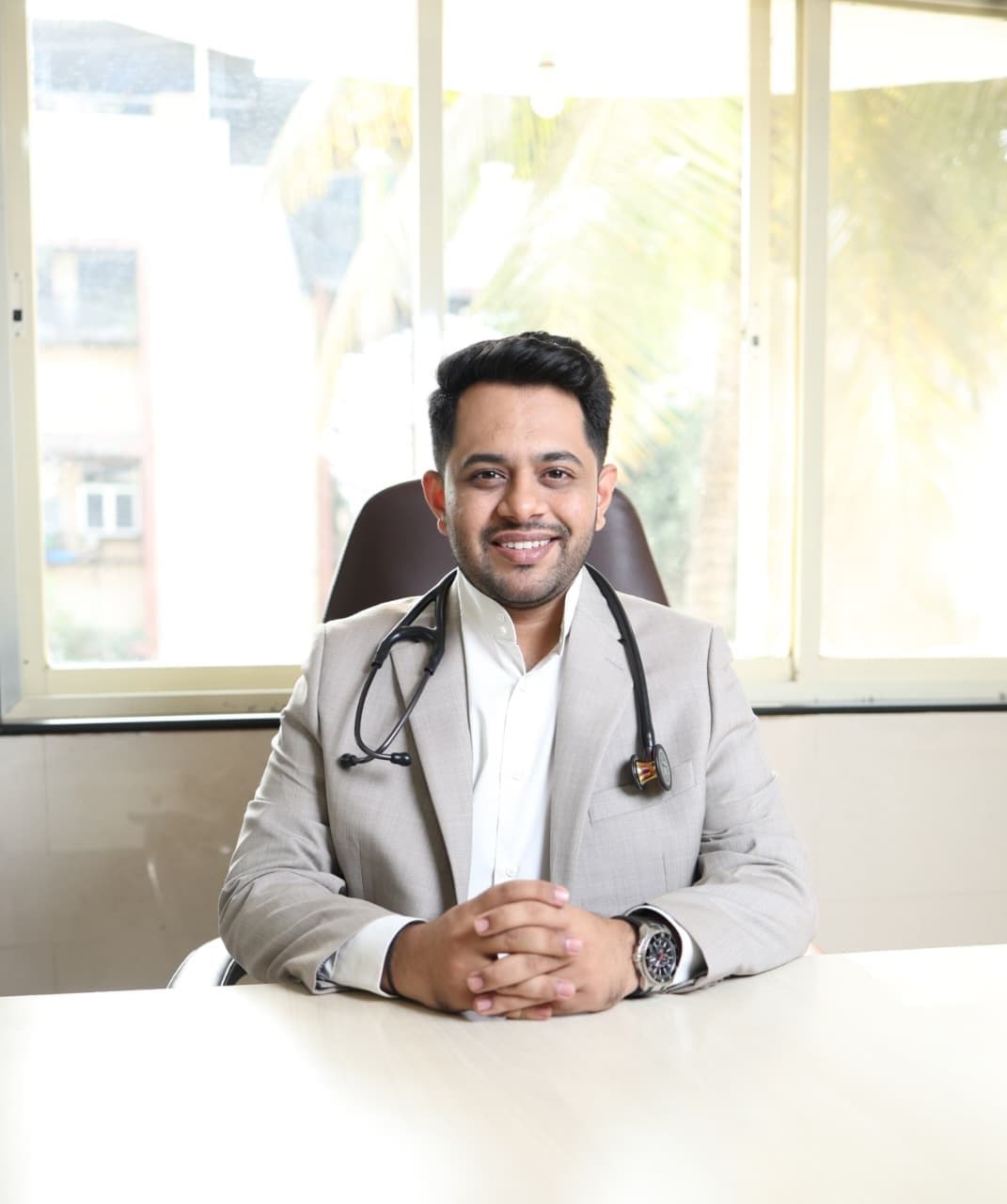
Dr. Aditya Davhale
MBBS, MD, DNB (Internal Medicine)
Assistant Professor & Consultant Physician — Internal Medicine
Dr. Aditya Davhale is an Assistant Professor and Consultant Physician (Internal Medicine) based in Navi Mumbai, with expertise in diabetes, hypertension, fever, infectious diseases, ICU & critical care, and chronic lifestyle conditions.
View Full Profile →Related Articles
UTI Symptoms and Treatment: A Practical Adult Guide
UTI Symptoms and Treatment: A Practical Adult Guide. Understand symptoms, tests, safe care and warning signs with Dr. Aditya Davhale in Navi Mumbai.
Malaria Symptoms and Prevention: When to Get Tested
Malaria Symptoms and Prevention: When to Get Tested. Understand symptoms, tests, safe care and warning signs with Dr. Aditya Davhale in Navi Mumbai.
Typhoid Fever Treatment: Symptoms, Tests and Recovery
Typhoid Fever Treatment: Symptoms, Tests and Recovery. Understand symptoms, tests, safe care and warning signs with Dr. Aditya Davhale in Navi Mumbai.