Iron Deficiency Anaemia: Symptoms & Treatment in India
In this article
Quick Answer
Iron deficiency anaemia means your body lacks enough iron to make haemoglobin, so tissues get less oxygen. The classic signs are fatigue, paleness, breathlessness, dizziness, and brittle nails. It is confirmed with haemoglobin and ferritin blood tests, and treated with oral (or sometimes IV) iron plus an iron-rich diet — while fixing the underlying cause, often heavy periods or blood loss.
Key Takeaways
- It is the world's most common anaemia — about 57% of Indian women are anaemic (NFHS-5).
- Hallmark symptoms: tiredness, pale eyelids, breathlessness, cold hands, brittle nails.
- Ferritin is the gold-standard test for low iron stores.
- Take oral iron on an empty stomach with vitamin C; avoid tea, coffee and milk around it.
- Always treat the cause (heavy periods, GI bleeding) or the anaemia comes back.
As a Consultant General Physician in Navi Mumbai, I see patients every week with vague fatigue, weakness or breathlessness that they blame on a hectic life — when the real cause is often iron deficiency anaemia. Here is what it means, the symptoms to watch for, and how I treat it.
What is Iron Deficiency Anaemia?
Anaemia occurs when your blood lacks enough healthy red blood cells to carry adequate oxygen to your body's tissues. Iron deficiency anaemia is the most common type of anaemia worldwide, and India bears a disproportionately high burden. According to the National Family Health Survey (NFHS-5), nearly 57% of women and 25% of men in India are anaemic.
Iron is a critical component of haemoglobin, the protein in red blood cells that binds oxygen. When your iron stores are depleted, your body cannot produce enough haemoglobin, leading to reduced oxygen delivery to organs and muscles. This explains many of the symptoms you experience.
Common Symptoms of Iron Deficiency Anaemia
The presentation can be subtle initially. Many of my patients attribute their symptoms to stress, poor sleep, or dietary changes. Here are the most common iron deficiency anaemia symptoms I see in my clinic:
Early and Persistent Symptoms
- Fatigue and weakness: This is the hallmark symptom. You feel tired even after a full night's rest.
- Pale skin and conjunctiva: Look at the inside of your lower eyelid. If it appears pale pink or white instead of a healthy red, this is a strong clue.
- Shortness of breath: Climbing a flight of stairs leaves you gasping.
- Dizziness or lightheadedness: Especially when standing up quickly.
- Cold hands and feet: Poor circulation due to reduced oxygen delivery.
Less Common but Equally Important Signs
- Brittle nails: Nails may become thin, ridged, or spoon-shaped (koilonychia).
- Pica: An unusual craving for non-food items like ice, clay, or starch. Many of my Indian patients report craving raw rice or chalk.
- Restless legs syndrome: An urge to move your legs, especially at night.
- Headaches and poor concentration: Reduced oxygen to the brain affects cognitive function.
Why Women in India Are at Higher Risk
Menstruating women, pregnant women, and new mothers form the majority of my anaemia cases. Heavy menstrual bleeding, combined with inadequate dietary iron intake, is a common cause. In pregnancy, the growing baby's demands further deplete maternal iron stores.
Causes of Iron Deficiency Anaemia in the Indian Context
Understanding the cause is just as important as treating the symptoms. In my practice, I usually investigate these possibilities:
-
Inadequate dietary intake: Many Indian diets, especially vegetarian ones, lack bioavailable iron. While green leafy vegetables (palak, methi) and legumes (chana, rajma) contain iron, it is non-heme iron (less easily absorbed) compared to heme iron from meat or fish.
-
Blood loss: The most common cause in adults. Heavy menstruation is a leading culprit. Gastrointestinal bleeding (from ulcers, piles, or colon growths) is another important cause, especially in men and postmenopausal women.
-
Malabsorption: Conditions like celiac disease or chronic gastritis impair iron absorption. Interestingly, many Indians have undiagnosed celiac disease presenting with only anaemia.
-
Increased demand: Rapid growth in adolescents, pregnancy, and lactation all increase iron requirements.
Diagnosis: What Tests Do I Recommend?
If you suspect iron deficiency anaemia, do not self-medicate with over-the-counter supplements. Visit a physician for proper evaluation. At my clinic in Navi Mumbai, I typically order:
- Complete Blood Count (CBC): Shows low haemoglobin (Hb) and haematocrit, with small, pale red cells (microcytic hypochromic anaemia).
- Serum Ferritin: This is the gold standard test. Low ferritin indicates depleted iron stores.
- Serum Iron and Total Iron-Binding Capacity (TIBC): Low iron with high TIBC confirms deficiency.
- Vitamin B12 and Folate Levels: Important to rule out other nutritional anaemias, which can coexist.
- Stool Occult Blood Test: To check for hidden gastrointestinal bleeding.
Treatment Options: A Step-by-Step Approach
Iron deficiency anaemia is highly treatable. The core principles are: replenish iron stores, correct the underlying cause, and prevent recurrence.
1. Oral Iron Supplements
This is the first-line treatment for most patients. In India, the most commonly prescribed forms are:
- Ferrous sulphate (200 mg tablets containing 60 mg elemental iron) : Usually taken once or twice daily. It is highly effective but may cause gastrointestinal side effects like constipation, nausea, or dark stools.
- Ferrous ascorbate: Often better tolerated and has enhanced absorption due to vitamin C.
- Ferric carboxymaltose: For patients who cannot tolerate oral iron or have severe deficiency.
I advise my patients to:
- Take tablets on an empty stomach (1 hour before food or 2 hours after) for best absorption.
- Pair with a source of vitamin C (a glass of lemon water, an orange, or a handful of amla) to boost absorption.
- Avoid taking iron with tea, coffee, or milk, as tannins and calcium inhibit absorption.
- Continue for at least 3-6 months, even after haemoglobin normalises, to replenish iron stores.
2. Dietary Modifications
While supplements are often necessary, improving your diet is crucial. Here are practical, India-friendly dietary tips:
- Prioritise heme iron sources: If non-vegetarian, include liver (kaleji), red meat, or fish (especially mackerel/bangda) twice a week.
- Enhance non-heme iron absorption: For vegetarians, combine iron-rich foods with vitamin C. For example:
- Palak paneer with a squeeze of lime.
- Chana or rajma curry with a side of orange slices.
- A handful of dates (khajoor) and jaggery (gur) as a snack.
- Include iron-rich Indian staples:
- Green leafy vegetables: Palak, methi, chawli leaves.
- Legumes and pulses: Toor dal, masoor dal, chana, rajma.
- Whole grains: Ragi (nachni), bajra, and amaranth (rajgira).
- Seeds: Pumpkin seeds (kaddu ke beej), sesame seeds (til).
- Dried fruits: Dates, raisins (kishmish).
3. Intravenous Iron
For patients with severe anaemia (Hb < 7 g/dL), those who cannot tolerate oral iron, or those with ongoing blood loss (e.g., chronic piles), IV iron infusion is a game-changer. It delivers iron directly into the bloodstream, bypassing the gut. Procedures are done in our day-care facility with monitoring. Improvement in symptoms is often noticeable within a week.
4. Treating the Underlying Cause
This is the most critical step. Without addressing the root cause, anaemia will recur. I routinely treat:
- Heavy menstrual bleeding: With hormonal therapy, Mirena IUD, or surgical options if needed.
- Gastrointestinal bleeding: By treating haemorrhoids, peptic ulcers, or referring for colonoscopy if indicated.
- Malabsorption: With a gluten-free diet for celiac disease or appropriate enzyme supplementation.
When to See a Doctor
Do not ignore persistent fatigue, pallor, or breathlessness. If you experience any of these, book an appointment for a simple blood test. Early detection prevents complications like heart strain, increased risk of infections, and poor pregnancy outcomes.
Also, if you are already on iron supplements but not feeling better in 2-3 weeks, you need a re-evaluation. There may be another cause or an absorption issue.
Prevention in Daily Life
Prevention is always better than cure. I advise my patients — especially women of reproductive age — to:
- Include a daily iron-rich food in your meals.
- Pair all iron sources with vitamin C.
- Have periodic haemoglobin checks (every 6 months if at risk).
- Avoid excessive tea or coffee intake immediately after meals.
- Seek treatment for heavy periods or any chronic bleeding.
Final Thoughts from Dr. Aditya Davhale
Iron deficiency anaemia is a common, treatable, and completely reversible condition when addressed correctly. As a physician practising in Navi Mumbai, I have seen patients transform from being constantly exhausted to energetic and vibrant within weeks of starting appropriate treatment.
If you or a loved one are experiencing any of the symptoms mentioned here, do not wait. A simple blood test can give you clarity. I offer comprehensive evaluation and treatment — from diagnosis and oral iron therapy to IV iron infusions and management of underlying causes.
Ready to take the first step?
Take charge of your health today. Book an appointment with me, Dr. Aditya Davhale, at my Navi Mumbai clinic, or call/WhatsApp +91 99606 28111. You can also explore my internal medicine services. Let's get your energy back together.
Medical Disclaimer
This article is for informational purposes only and does not constitute medical advice. Always consult a qualified healthcare professional for personalized medical guidance. If you have a medical emergency, please call emergency services immediately.
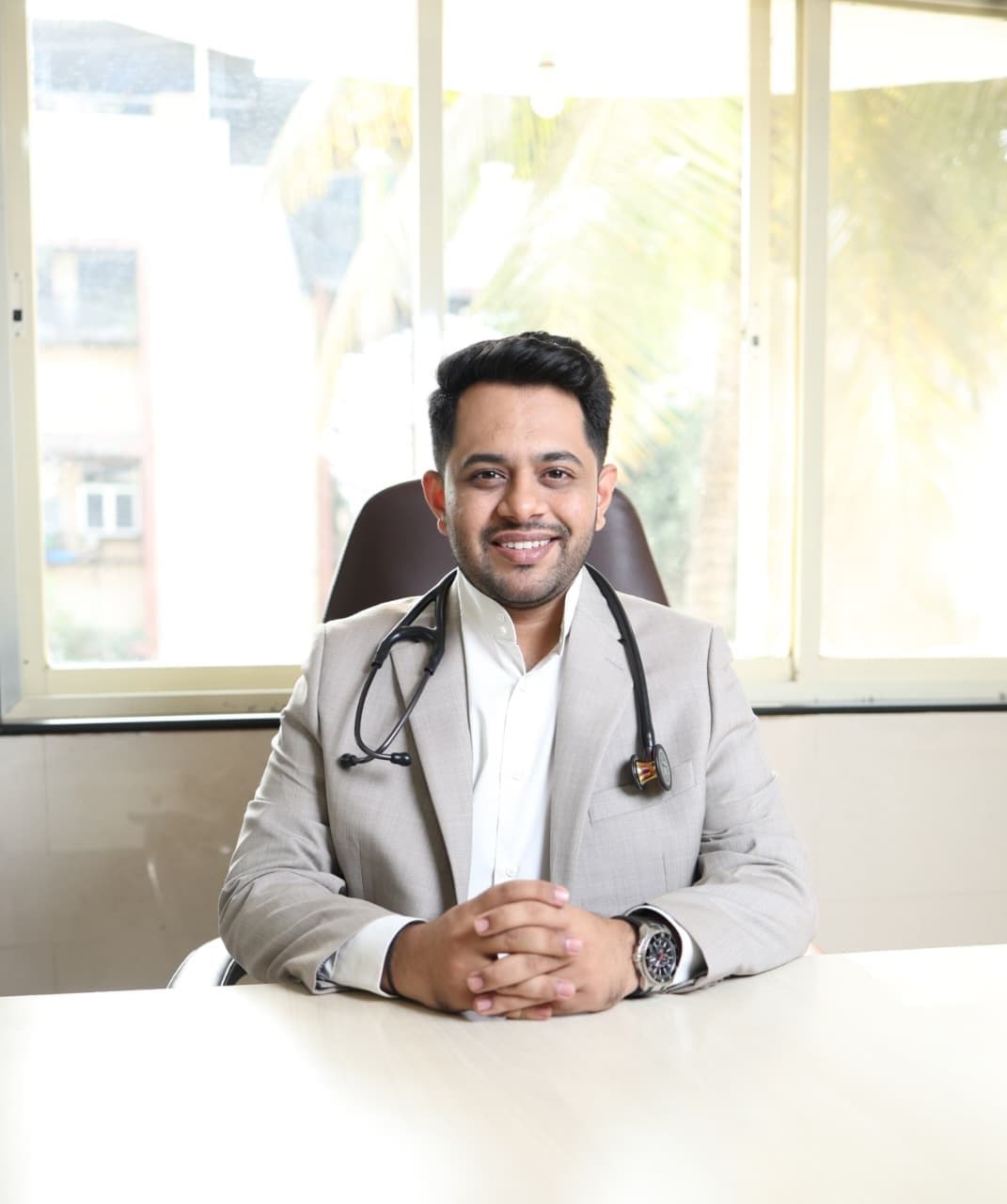
Dr. Aditya Davhale
MBBS, MD, DNB (Internal Medicine)
Assistant Professor & Consultant Physician — Internal Medicine
Dr. Aditya Davhale is an Assistant Professor and Consultant Physician (Internal Medicine) based in Navi Mumbai, with expertise in diabetes, hypertension, fever, infectious diseases, ICU & critical care, and chronic lifestyle conditions.
View Full Profile →Related Articles
UTI Symptoms and Treatment: A Practical Adult Guide
UTI Symptoms and Treatment: A Practical Adult Guide. Understand symptoms, tests, safe care and warning signs with Dr. Aditya Davhale in Navi Mumbai.
Malaria Symptoms and Prevention: When to Get Tested
Malaria Symptoms and Prevention: When to Get Tested. Understand symptoms, tests, safe care and warning signs with Dr. Aditya Davhale in Navi Mumbai.
Typhoid Fever Treatment: Symptoms, Tests and Recovery
Typhoid Fever Treatment: Symptoms, Tests and Recovery. Understand symptoms, tests, safe care and warning signs with Dr. Aditya Davhale in Navi Mumbai.