Best Diet for High Blood Pressure Patients: An Indian Perspective
In this article
Quick Answer
The best diet for high blood pressure is a low-sodium, potassium-rich eating pattern — the DASH diet — adapted to Indian food. Fill your plate with vegetables, fruit, whole grains (jowar, bajra, oats), dals, low-fat dahi and healthy oils, while cutting papad, pickle, namkeen and processed food. Done consistently, diet alone can lower systolic blood pressure by 8-14 mmHg.
Key Takeaways
- The DASH diet is the most evidence-backed eating pattern for hypertension.
- Keep salt under ~4 g/day; most hidden salt comes from papad, pickle, namkeen, and restaurant food.
- Load up on potassium (banana, coconut water, spinach), magnesium (nuts, seeds), and fibre.
- A normal Indian thali — dal, sabzi, roti, salad, dahi — is already close to ideal with small tweaks.
- Never stop blood pressure medicines on your own; diet works alongside them, not instead of them.
Hypertension affects nearly one in three adults in India, earning it the title of the "silent killer." The good news: the Indian diet, when modified thoughtfully, can be one of the most heart-healthy diets in the world.
The DASH Diet: What Science Tells Us
The Dietary Approaches to Stop Hypertension (DASH) diet is the most extensively studied dietary pattern for hypertension. Research consistently shows it can lower systolic blood pressure by 8-14 mmHg — comparable to some medications.
Core DASH principles:
- High intake of fruits and vegetables
- Whole grains instead of refined grains
- Low-fat dairy products
- Lean proteins (fish, poultry, legumes)
- Limited saturated fats, sugar, and red meat
- Reduced sodium intake
Let us adapt these principles to the Indian context.
Sodium: The Hidden Enemy
The average Indian consumes 10-12 grams of salt daily — more than double the WHO recommendation. The main culprits:
Hidden salt sources in the Indian diet:
- Papad, pickles, and chutneys: A single papad can contain 0.5g of salt
- Processed snacks: Namkeen, chips, and packaged mixtures
- Restaurant and takeaway food: Typically uses much more salt than home-cooked meals
- Bread and bakery products: Often overlooked as salt sources
- Soy sauce, ketchup, and ready-made sauces
- Canned and packaged foods
Practical Diet Recommendations
Foods to Emphasize
| Food Group | Indian Examples | Benefits |
|---|---|---|
| Potassium-rich foods | Banana, coconut water, sweet potato, spinach (palak), tomato | Potassium counteracts sodium's effect on BP |
| Magnesium sources | Nuts (almonds, walnuts), seeds (pumpkin, sunflower), whole pulses | Magnesium helps relax blood vessels |
| Calcium-rich foods | Low-fat milk, yogurt (dahi), paneer (in moderation), ragi | Important for vascular function |
| Fiber | Oats, jowar, bajra, whole wheat, brown rice, fruits with peel | Helps reduce cholesterol and improve BP |
| Healthy fats | Olive oil, mustard oil, flaxseeds, walnuts, fish | Anti-inflammatory and heart-protective |
| Nitrate-rich vegetables | Beetroot, spinach, methi, lettuce, celery | Naturally lower blood pressure |
Foods to Limit or Avoid
- Deep-fried foods: Samosas, pakoras, puris, vadas, and bhajias
- High-salt items: Papads, pickles, canned soups, instant noodles
- Red meat and organ meats
- Full-fat dairy: Cream, butter, ghee in excess
- Sweets and sugar: Mithai, sugary drinks, packaged juices
- Alcohol
A Sample Day's Meal Plan
Early Morning (6:30 AM)
A glass of warm water with lemon + 5 soaked almonds
Breakfast (8:00 AM)
2 moong dal chillas with mint chutney (low salt) + 1 small bowl of papaya
OR
1 bowl vegetable oats upma + 1 glass low-fat buttermilk (no added salt)
Mid-Morning Snack (11:00 AM)
1 banana + green tea
Lunch (1:00 PM)
2 multigrain rotis + 1 bowl green vegetable sabzi + 1 bowl dal + 1 bowl cucumber-tomato salad + 1 bowl low-fat curd
Evening Snack (4:30 PM)
Roasted chana / makhana + coconut water
Dinner (7:30 PM)
1 bowl brown rice or 1-2 rotis + grilled fish or paneer bhurji + sautéed vegetables + 1 bowl dal
Bedtime (9:30 PM)
1 glass warm low-fat milk with a pinch of turmeric (no sugar)
Six Daily Habits That Keep BP in Check
- Cook with less salt: Measure the salt you add rather than pouring freely. Try using lemon juice, herbs, and spices for flavor instead of extra salt.
- Eat the rainbow: Aim for a variety of colorful vegetables and fruits daily.
- Whole grains over refined: Choose whole wheat, brown rice, jowar, bajra, and oats over white rice, maida, and white bread.
- Limit processed foods: If it comes in a packet with a long ingredient list, it is probably high in sodium.
- Hydrate wisely: Drink adequate water. Coconut water is excellent for its natural potassium content.
- Portion control matters: Even healthy foods can contribute to weight gain in excess.
Conclusion
Managing hypertension through diet is not about deprivation — it is about making smarter choices within the framework of Indian cuisine. The traditional Indian thali, with its dal, sabzi, roti, salad, and dahi, is already close to the ideal balanced meal. Small adjustments can make a significant difference.
If you have hypertension and would like a personalized diet and treatment plan, book an appointment for a comprehensive evaluation, or learn more about my internal medicine services.
This article is for informational purposes only and does not constitute medical advice. Always consult your physician before making significant dietary changes, especially if you are on blood pressure medications.
Medical Disclaimer
This article is for informational purposes only and does not constitute medical advice. Always consult a qualified healthcare professional for personalized medical guidance. If you have a medical emergency, please call emergency services immediately.
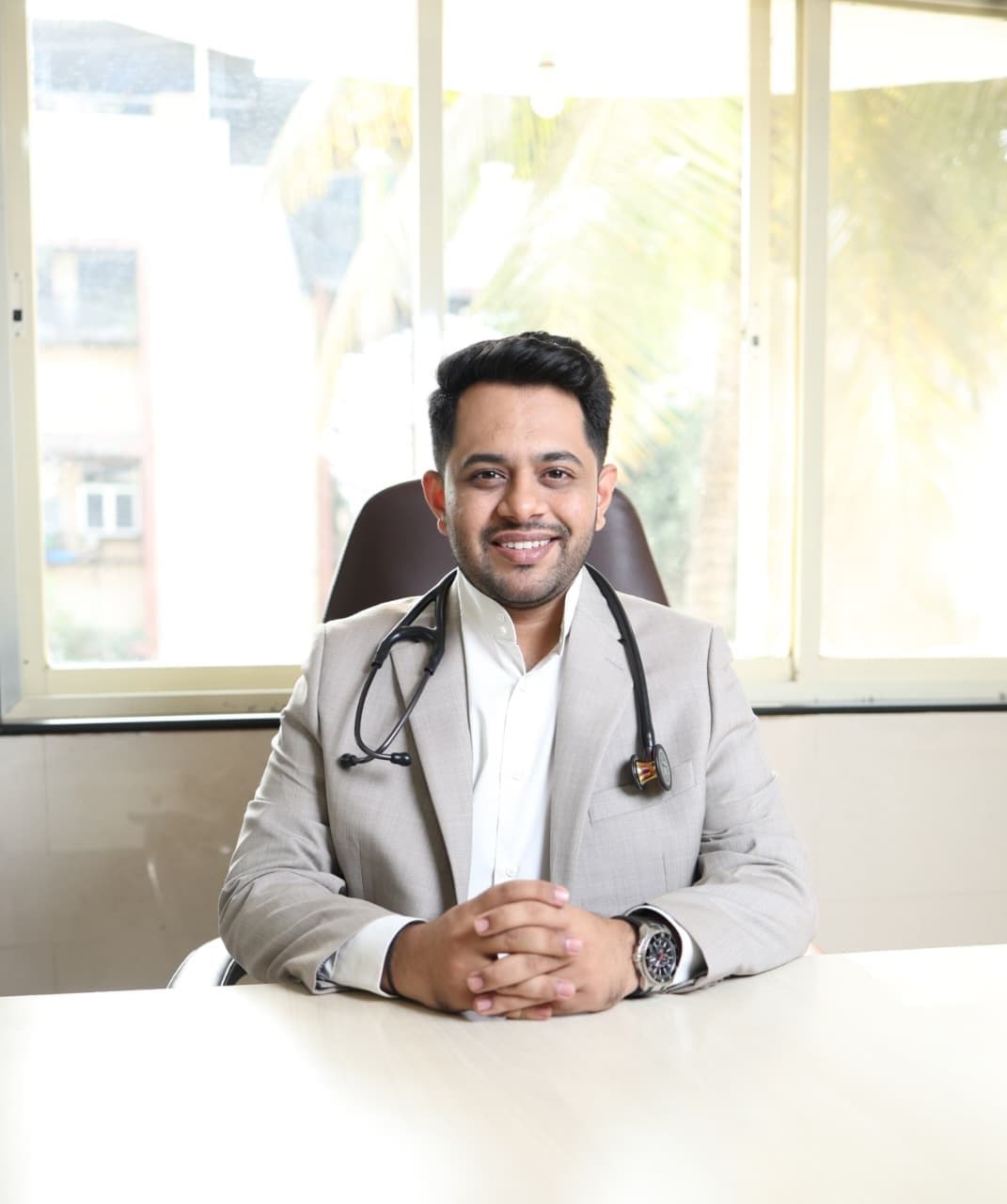
Dr. Aditya Davhale
MBBS, MD, DNB (Internal Medicine)
Assistant Professor & Consultant Physician — Internal Medicine
Dr. Aditya Davhale is an Assistant Professor and Consultant Physician (Internal Medicine) based in Navi Mumbai, with expertise in diabetes, hypertension, fever, infectious diseases, ICU & critical care, and chronic lifestyle conditions.
View Full Profile →Related Articles

How to Prevent Lifestyle Diseases in Your 30s: A Doctor's Guide
Your 30s are the decade when prevention matters most. Learn how small, consistent changes today can dramatically reduce your risk of diabetes, hypertension, heart disease, and other lifestyle-related conditions.
Hair Fall Treatment: Causes, Tests and Safe Care
Hair Fall Treatment: Causes, Tests and Safe Care. Understand symptoms, tests, safe care and warning signs with Dr. Aditya Davhale in Navi Mumbai.
Type 2 Diabetes Diet Plan for Indians: What to Eat
A practical type 2 diabetes diet plan for Indians, including portions, breakfast ideas, rice and roti guidance, snacks, and safe meal-planning tips.